Why Is My Screw Compressor Overheating?
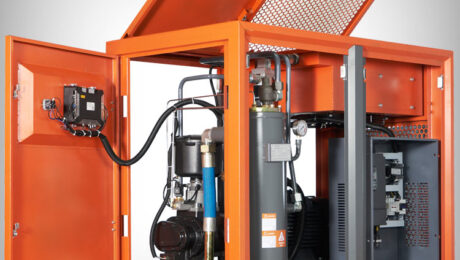
A screw compressor overheating is one of the most common problems found in compressed air systems. If the compressor keeps running too hot or trips on high temperature, it should not be ignored. Overheating can damage the compressor oil, airend, bearings, seals, motor and other internal components.
At Airecare, we regularly assist customers with compressor overheating faults, high-temperature shutdowns and poor compressor room ventilation across Durban and KZN.
Common Signs of an Overheating Compressor
A compressor may be overheating if you notice any of the following:
- High temperature alarm on the controller
- Compressor shutting down during operation
- Hot oil smell or burnt oil smell
- Compressor room feels very hot
- Oil cooler is dirty or blocked
- Compressor runs hotter during the afternoon
- Cooling fan not working correctly
- Compressor trips after running for a short period
- Oil temperature keeps climbing under load
If the compressor keeps restarting and tripping, the fault should be checked before further damage occurs.
Common Causes of Screw Compressor Overheating
There are several reasons why a screw compressor may overheat.
1. Dirty or blocked oil cooler
The oil cooler removes heat from the compressor oil. If the cooler is blocked with dust, oil mist, cardboard, plastic, flour, cement dust or general factory dirt, the compressor cannot remove heat correctly.
This is one of the most common causes of overheating.
2. Poor compressor room ventilation
Compressors need clean, cool air for proper cooling. If the compressor room is too hot or has poor airflow, the machine will struggle to stay within normal operating temperature.
A compressor room should have enough fresh-air inlet and hot-air extraction.
3. Low oil level
If the oil level is too low, there may not be enough oil to lubricate and cool the airend correctly. This can cause high temperature and serious damage if ignored.
4. Wrong or old compressor oil
Compressor oil breaks down over time. Old, burnt or incorrect oil can lose its cooling and lubrication ability. This can increase operating temperature and reduce the life of the compressor.
5. Faulty thermostat
The thermostat controls oil flow through the cooler. If the thermostat does not open correctly, oil may not pass through the cooler properly, causing the compressor to overheat.
6. Blocked air filter or oil filter
A blocked air filter can restrict intake airflow. A blocked oil filter can restrict oil flow. Both can create operating problems and lead to higher running temperatures.
7. Overloaded compressor
If the compressor is running beyond its normal duty or the air demand is too high, it may run hot. This can also happen when leaks in the factory cause the compressor to work harder than necessary.
Why Overheating Must Not Be Ignored
Running a compressor while it is overheating can lead to expensive failures, including:
- Airend damage
- Bearing failure
- Motor damage
- Oil seal leaks
- Oil breakdown
- Separator failure
- Electrical faults
- Unexpected production downtime
Stopping the problem early is normally much cheaper than repairing a major failure later.
What Airecare Recommends
If your screw compressor is overheating, we recommend checking the following:
- Oil level and oil condition
- Oil cooler cleanliness
- Cooling fan operation
- Compressor room ventilation
- Air filter condition
- Oil filter condition
- Thermostat operation
- Operating pressure
- Compressor loading and unloading
- Factory air leaks
- Ambient temperature around the compressor
A proper inspection can help identify whether the issue is a simple service problem, a cooling problem, a thermostat fault or a more serious internal compressor issue.
Need Help With a Compressor Overheating Problem?
Airecare assists with screw compressor servicing, overheating faults, repairs, fault finding, air dryers, filtration and compressed air system support.
Need help with a compressor overheating problem? Contact Airecare for compressor service, fault finding and repairs in Durban and across KZN.
- Published in compressor faults