How Air Leaks Waste Electricity in Your Factory
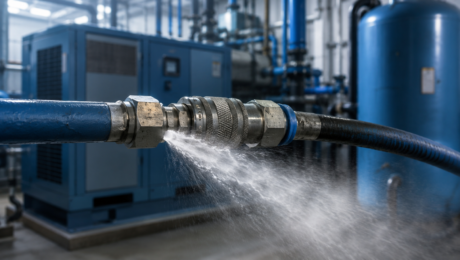
Compressed air leaks are one of the most common causes of wasted electricity in factories, workshops and production facilities. Many businesses do not realise how much money is lost when a compressor keeps running to replace air that is escaping through leaks.
At Airecare, we often find that small leaks in the compressed air system can cause the compressor to run longer, load more often and use more electricity than necessary.
Why Air Leaks Are a Problem
A compressed air system is designed to supply air to tools, machines and production equipment. When there are leaks in the pipework, hoses, fittings, valves, couplings or drains, the compressor must work harder to maintain pressure.
This means the customer may be paying for electricity that is not being used for production.
Common Places Where Air Leaks Are Found
Air leaks are often found in:
- Quick couplers
- Flexible hoses
- Threaded fittings
- Old ball valves
- Auto drains
- Filter housings
- Regulator assemblies
- Pipe joints
- Damaged air lines
- Equipment left open when not in use
Even a small leak can become expensive if it runs all day and night.
Signs That Your Factory May Have Air Leaks
You may have compressed air leaks if you notice:
- The compressor runs when production is stopped
- The compressor loads and unloads too often
- Pressure drops quickly when the compressor stops
- Air can be heard escaping around the factory
- Electricity usage is higher than expected
- The compressor struggles to maintain pressure
- Operators increase pressure to compensate for low air supply
Increasing the pressure is not always the correct solution. In many cases, the real problem is air loss through leaks.
Why Leaks Increase Electricity Costs
When air escapes from the system, the compressor must replace that lost air. This increases running hours and electricity consumption.
A leaking system can also cause the compressor to run hotter, increase service wear and reduce the life of filters, oil and other components.
Fixing leaks can reduce wasted energy, improve system pressure and help the compressor operate more efficiently.
What Airecare Recommends
Airecare recommends regular compressed air leak inspections, especially for factories with high electricity costs or compressors that run for long hours.
A proper leak inspection should include:
- Checking pipework and fittings
- Inspecting drains and filters
- Listening for air leaks during shutdown
- Checking pressure drop when production is off
- Reviewing compressor run and load hours
- Checking whether the compressor is correctly sized
- Identifying areas where pressure can be reduced
Can a VSD Compressor Help?
A VSD compressor can help reduce electricity usage in the right application, especially where air demand changes during the day. However, a VSD should not be quoted blindly.
Before recommending a VSD conversion or new VSD compressor, Airecare recommends checking the air demand, leaks, operating pressure, receiver capacity and compressor load pattern.
In many cases, fixing air leaks first can reduce the size of compressor required and improve the payback period of a VSD system.
Need Help Reducing Compressed Air Electricity Costs?
Airecare assists with compressed air leak inspections, compressor servicing, air dryers, filtration, VSD feasibility checks and compressed air system improvements in Durban and across KZN.
If your compressor is running longer than expected or your electricity cost is high, contact Airecare for a compressed air system inspection.
- Published in Energy Saving
Why Is My Screw Compressor Overheating?
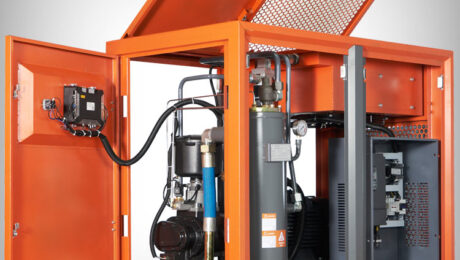
A screw compressor overheating is one of the most common problems found in compressed air systems. If the compressor keeps running too hot or trips on high temperature, it should not be ignored. Overheating can damage the compressor oil, airend, bearings, seals, motor and other internal components.
At Airecare, we regularly assist customers with compressor overheating faults, high-temperature shutdowns and poor compressor room ventilation across Durban and KZN.
Common Signs of an Overheating Compressor
A compressor may be overheating if you notice any of the following:
- High temperature alarm on the controller
- Compressor shutting down during operation
- Hot oil smell or burnt oil smell
- Compressor room feels very hot
- Oil cooler is dirty or blocked
- Compressor runs hotter during the afternoon
- Cooling fan not working correctly
- Compressor trips after running for a short period
- Oil temperature keeps climbing under load
If the compressor keeps restarting and tripping, the fault should be checked before further damage occurs.
Common Causes of Screw Compressor Overheating
There are several reasons why a screw compressor may overheat.
1. Dirty or blocked oil cooler
The oil cooler removes heat from the compressor oil. If the cooler is blocked with dust, oil mist, cardboard, plastic, flour, cement dust or general factory dirt, the compressor cannot remove heat correctly.
This is one of the most common causes of overheating.
2. Poor compressor room ventilation
Compressors need clean, cool air for proper cooling. If the compressor room is too hot or has poor airflow, the machine will struggle to stay within normal operating temperature.
A compressor room should have enough fresh-air inlet and hot-air extraction.
3. Low oil level
If the oil level is too low, there may not be enough oil to lubricate and cool the airend correctly. This can cause high temperature and serious damage if ignored.
4. Wrong or old compressor oil
Compressor oil breaks down over time. Old, burnt or incorrect oil can lose its cooling and lubrication ability. This can increase operating temperature and reduce the life of the compressor.
5. Faulty thermostat
The thermostat controls oil flow through the cooler. If the thermostat does not open correctly, oil may not pass through the cooler properly, causing the compressor to overheat.
6. Blocked air filter or oil filter
A blocked air filter can restrict intake airflow. A blocked oil filter can restrict oil flow. Both can create operating problems and lead to higher running temperatures.
7. Overloaded compressor
If the compressor is running beyond its normal duty or the air demand is too high, it may run hot. This can also happen when leaks in the factory cause the compressor to work harder than necessary.
Why Overheating Must Not Be Ignored
Running a compressor while it is overheating can lead to expensive failures, including:
- Airend damage
- Bearing failure
- Motor damage
- Oil seal leaks
- Oil breakdown
- Separator failure
- Electrical faults
- Unexpected production downtime
Stopping the problem early is normally much cheaper than repairing a major failure later.
What Airecare Recommends
If your screw compressor is overheating, we recommend checking the following:
- Oil level and oil condition
- Oil cooler cleanliness
- Cooling fan operation
- Compressor room ventilation
- Air filter condition
- Oil filter condition
- Thermostat operation
- Operating pressure
- Compressor loading and unloading
- Factory air leaks
- Ambient temperature around the compressor
A proper inspection can help identify whether the issue is a simple service problem, a cooling problem, a thermostat fault or a more serious internal compressor issue.
Need Help With a Compressor Overheating Problem?
Airecare assists with screw compressor servicing, overheating faults, repairs, fault finding, air dryers, filtration and compressed air system support.
Need help with a compressor overheating problem? Contact Airecare for compressor service, fault finding and repairs in Durban and across KZN.
- Published in compressor faults